Get Grease Trap Pumping
Local contractors offer grease trap pumping services to remove accumulated fats, oils, and solids, preventing clogs and ensuring proper wastewater flow for commercial and industrial properties.
Grease trap pumping services are an essential part of maintaining proper sanitation and preventing costly plumbing issues for property owners. Regular pumping helps ensure that grease and solid waste do not build up in drainage systems, which can lead to blockages, foul odors, and potential health hazards. Property owners managing restaurants, commercial kitchens, or food service facilities often find this service necessary to keep operations running smoothly and in compliance with local regulations. Exploring local contractors who specialize in grease trap maintenance can provide reliable solutions tailored to the specific needs of your property.
When planning maintenance projects like grease trap pumping, comparing options from experienced service providers in the area is a practical step. Local contractors can offer insights into the best practices for your type of property and help develop a routine that minimizes disruptions. Keep reading to learn more about how choosing the right professional can support ongoing property management and help maintain a safe, efficient drainage system.
- Grease Trap Pumping - needed when grease buildup causes blockages or foul odors in commercial kitchens.
- Commercial Kitchen Maintenance - required to prevent backups and ensure proper waste removal in restaurant or food service facilities.
- Food Service Facility Upkeep - necessary for restaurants, cafeterias, or catering businesses to maintain sanitation standards.
- Waste Management Services - sought when regular grease trap cleaning is needed to comply with local health regulations.
- Emergency Drain Clearing - required if a grease trap overflow or clog causes plumbing issues or sanitation concerns.
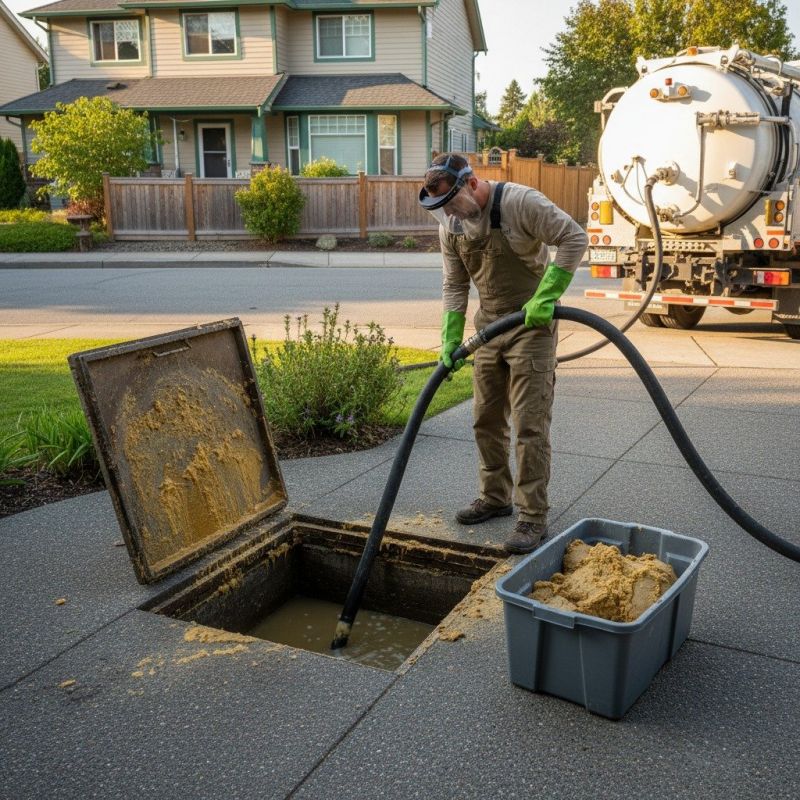
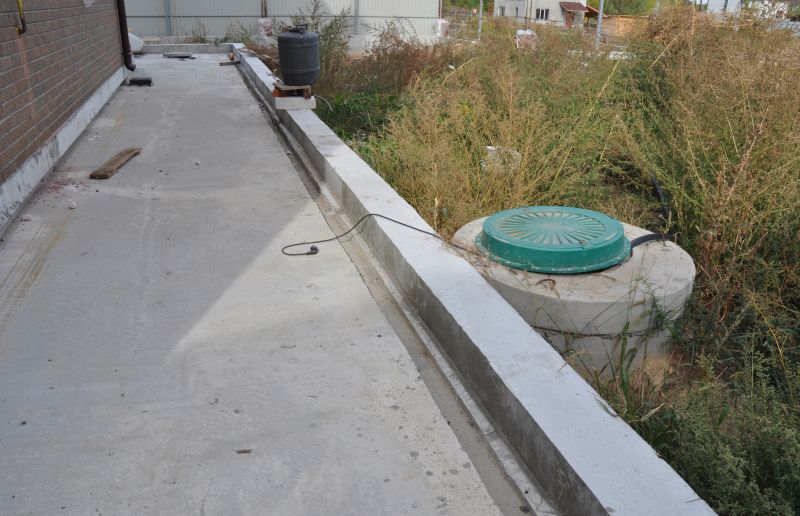
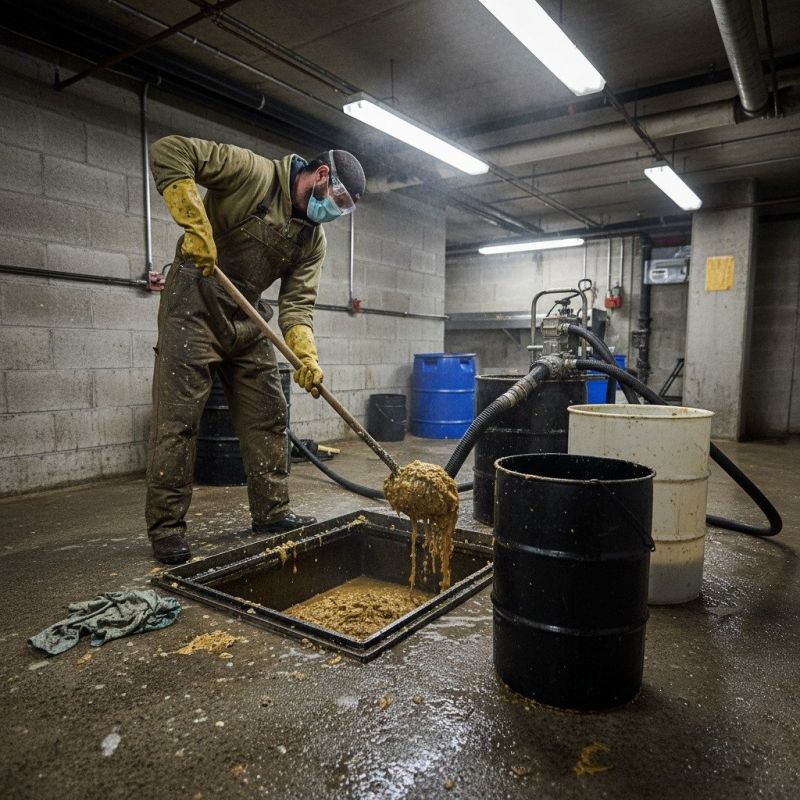
Grease trap pumping services involve the removal of accumulated fats, oils, and greases (FOG) from commercial or residential grease traps. Over time, these substances build up inside the trap, reducing its effectiveness and potentially causing blockages or foul odors. Professional service providers use specialized equipment to safely extract the contents, ensuring the trap functions properly and remains compliant with local regulations. Regular pumping helps prevent the buildup of FOG, keeping plumbing systems flowing smoothly and reducing the risk of costly backups or repairs.
Many common problems can be addressed through grease trap pumping. When traps are not serviced regularly, FOG can harden and cause clogs in the plumbing lines, leading to slow drains or sewage backups. Excess grease can also attract pests or produce unpleasant smells that affect the property’s environment. In addition, failing to maintain grease traps can result in violations of health and safety codes, which might lead to fines or closures. By scheduling routine pumping, property owners can avoid these issues and maintain a clean, functional system.
Grease trap pumping services are frequently used by a variety of property types. Restaurants, cafes, and food processing facilities are among the most common users, as their daily operations generate significant amounts of grease that must be managed properly. Commercial kitchens, catering businesses, and food trucks also rely on regular maintenance to keep their systems running efficiently. Additionally, some residential properties, especially those with large or shared kitchens, may require grease trap pumping to prevent plumbing problems and ensure the home stays free of odors and blockages.
Homeowners and property managers should consider grease trap pumping if they notice signs of plumbing trouble or foul odors near kitchen drains. Routine maintenance can help prevent unexpected backups and costly repairs, especially in properties with high grease usage. Service providers offer inspections and pumping tailored to the specific needs of each property, making it easier to maintain a clean and efficient plumbing system. Contacting local contractors for regular grease trap pumping can ensure that systems stay in good working order and help avoid the inconvenience of plumbing emergencies.
The overview below groups typical Grease Trap Pumping projects into broad ranges so you can see how smaller, mid-sized, and larger jobs often compare in your area.
In many markets, a large share of routine jobs stays in the lower and middle ranges, while only a smaller percentage of projects moves into the highest bands when the work is more complex or site conditions are harder than average.
Routine Pumping - typical costs range from $250 to $600 for standard cleaning of smaller grease traps. Many routine jobs fall within this middle range, depending on the size and accessibility of the trap.
Large or Complex Projects - larger facilities or more complicated pumping jobs can cost $1,000 to $2,500 or more. These projects are less common but necessary for extensive systems or difficult access points.
Full Replacement - replacing an entire grease trap usually costs between $2,500 and $5,000+. This is a more involved process that accounts for equipment and installation, occurring less frequently than routine pumping.
Emergency or After-Hours Services - urgent pumping or after-hours work can range from $600 to over $3,000, depending on the urgency and scope of the service. These costs are typically higher due to the expedited scheduling and special requirements.
Actual totals will depend on details like access to the work area, the scope of the project, and the materials selected, so use these as general starting points rather than exact figures.
Septic Tank Pumping - This project involves the removal of waste from underground tanks, requiring similar skills in tank access, waste removal, and proper disposal as grease trap pumping.
Commercial Drain Cleaning - Clearing clogged drains in commercial facilities shares techniques and equipment with grease trap cleaning, focusing on pipe maintenance and debris removal.
Industrial Waste Pumping - Handling and pumping industrial liquids or sludge involves planning and tools comparable to those used in grease trap servicing, often in larger-scale operations.
Stormwater Drain Maintenance - Maintaining stormwater systems involves cleaning and pumping out accumulated debris, similar to grease trap cleaning but focused on surface water management.
Restaurant Kitchen Drain Services - Servicing kitchen drainage systems requires expertise in grease buildup removal and pipe cleaning, paralleling grease trap pumping tasks.
Lift Station Pumping - Pumping waste from lift stations involves similar planning, equipment, and safety precautions as grease trap pumping, often in municipal or large commercial settings.
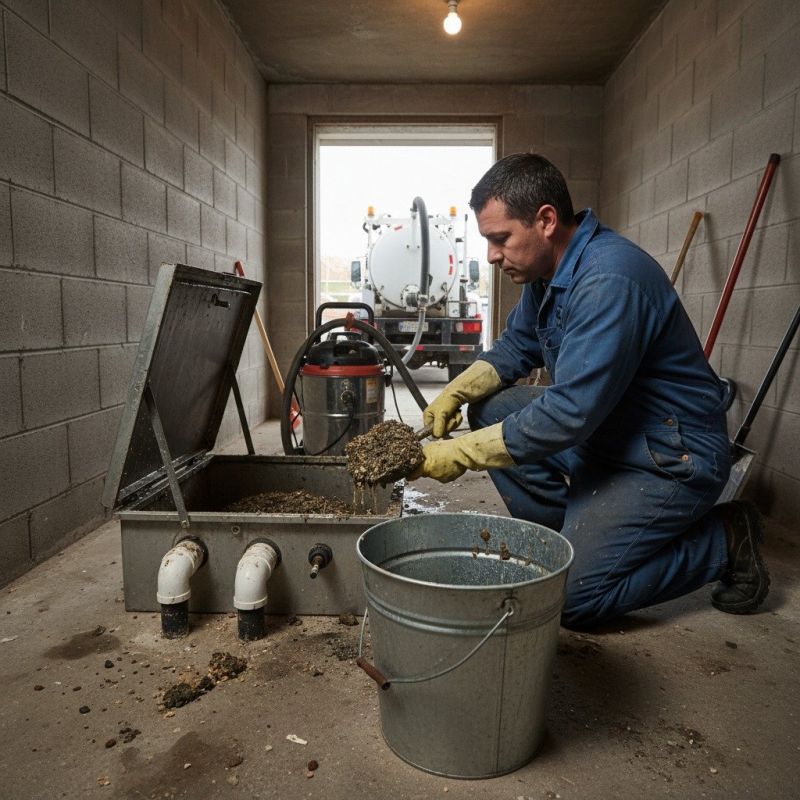
When evaluating potential service providers for grease trap pumping, it’s important to consider their experience with similar projects. A contractor who has worked extensively in the local area and has a history of handling jobs comparable in size and complexity can offer valuable insight into their capabilities. Asking about their background with projects like yours can help ensure they understand the specific requirements and challenges involved, leading to a more reliable and efficient service.
Clear written expectations are essential when comparing local contractors. A reputable service provider should be able to outline the scope of work, the procedures involved, and any necessary preparations or follow-up steps. Having this information in writing helps prevent misunderstandings and provides a reference point for the work to be performed. It also demonstrates professionalism and transparency, making it easier to assess whether a contractor’s approach aligns with your needs.
Reputable references and good communication are key indicators of a trustworthy grease trap pumping service. Prior clients who can speak to their experience provide insight into the quality and consistency of the work. Additionally, a contractor who communicates clearly and promptly can help keep the project on track and address any questions or concerns that may arise. By focusing on these qualities, homeowners can connect with local service providers who are well-equipped to handle their grease trap maintenance reliably and professionally.
Property owners use Grease Trap Pumping services for practical projects around their homes and businesses. This guide focuses on everyday jobs and straightforward project options.
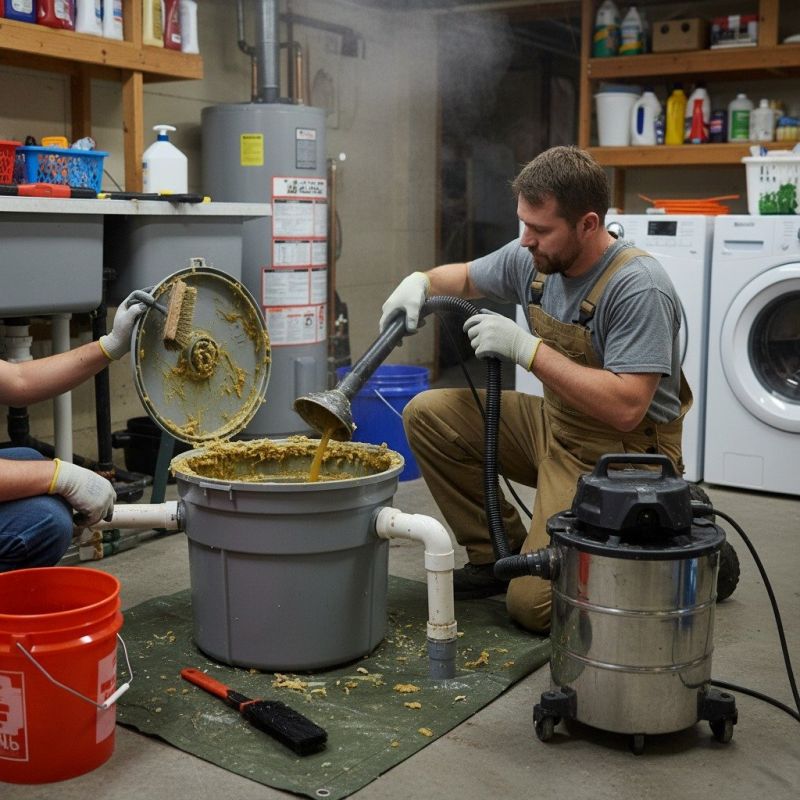
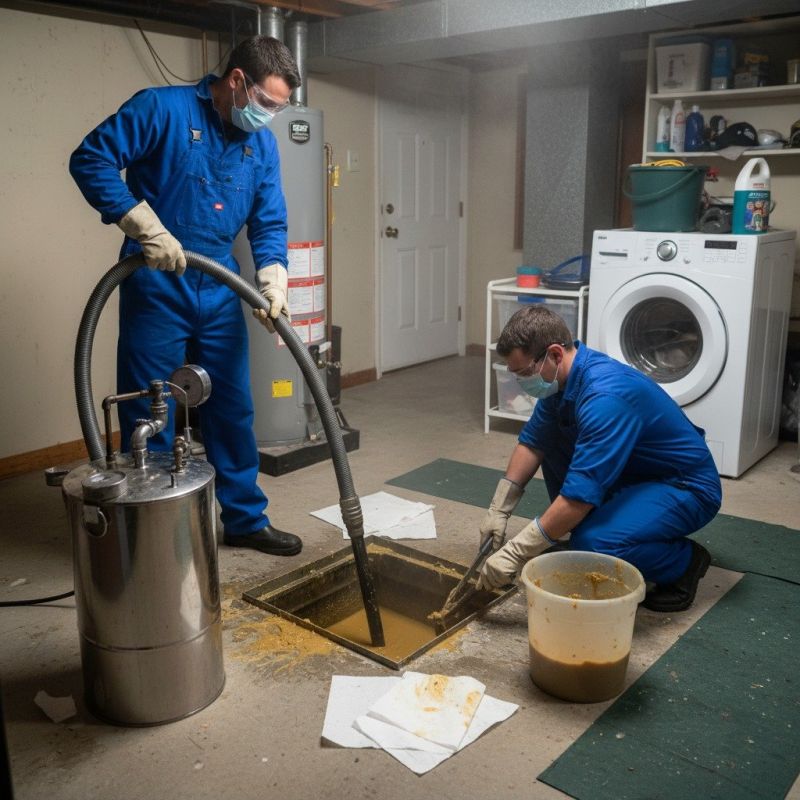
Grease trap pumping services are commonly needed for commercial kitchens, restaurants, and food service facilities to keep their systems running smoothly. Property owners often seek these services when they notice foul odors, slow drainage, or grease buildup that could lead to plumbing backups. Regular maintenance by local contractors helps prevent costly repairs and ensures compliance with health and safety standards, making it an essential part of managing busy food establishments.
In addition, property managers and business owners may look for grease trap pumping when preparing for inspections or routine maintenance schedules. Properly maintained grease traps help avoid operational disruptions and potential fines related to improper waste disposal. Local service providers offer the expertise to handle these needs efficiently, supporting property owners in maintaining a clean and functional plumbing system.
What is grease trap pumping? Grease trap pumping involves removing accumulated fats, oils, and solids from a grease trap to prevent blockages and maintain proper drainage.
How often should a grease trap be pumped? The frequency of pumping depends on the size of the trap and usage, but local contractors can assess and recommend a suitable schedule.
Why is regular grease trap maintenance important? Regular maintenance helps prevent foul odors, backups, and costly plumbing issues by keeping the grease trap functioning properly.
What types of properties typically need grease trap pumping? Commercial kitchens, restaurants, and food service facilities commonly require regular grease trap pumping services.
How do local service providers handle grease trap pumping? Local contractors use specialized equipment to safely extract and dispose of grease and solids, ensuring compliance with local regulations.
Prevent Plumbing Blockages - Regular grease trap pumping helps property owners avoid costly backups and plumbing issues caused by accumulated fats and oils.
Maintain Food Service Compliance - Restaurant and commercial kitchen operators can ensure their grease traps are properly serviced to meet health and safety standards.
Protect Drainage Systems - Property managers can work with local contractors to keep grease traps clean, reducing the risk of foul odors and drainage problems.
Extend Equipment Lifespan - Proper maintenance of grease traps can help extend the life of plumbing systems and reduce the need for repairs or replacements.
If you are thinking about Grease Trap Pumping for a property, this guide is meant to help you understand the work, the typical project types, and how different options might fit your plans.
When you are ready, you can use the quote form on this page to share a few details about your project. From there, local pros can review the basics and respond with options that match what you have in mind.